↠Blog
21 Sep 2026
SUV and Non-Running Vehicle Transport: Plan the Pickup
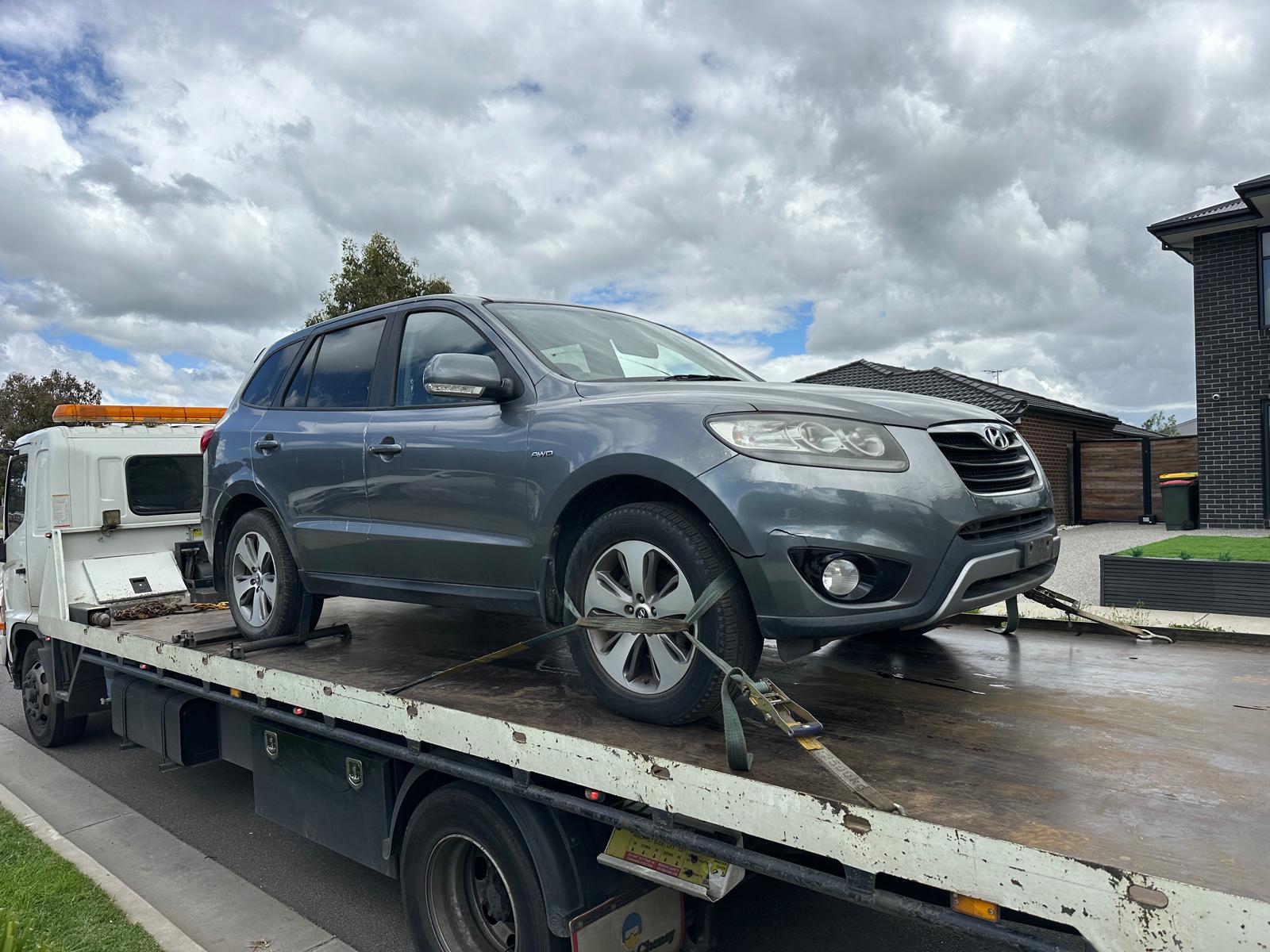
Transporting an SUV or a vehicle that will not start requires a little more information than simply providing a pickup address. Vehicle size, condition and access all help determine whether a job is suitable for the available equipment.
Identify the vehicle
Share the make, model and year, and mention modifications that affect height, weight or ground clearance. Tell us if it is all-wheel drive, electric or hybrid. Transport requirements differ between vehicles, so the loading and transport method must be assessed for the specific model and condition.
Explain what is working
Does the vehicle start? Can it roll, steer and be placed in neutral? Are the keys present? Mention a locked wheel, a damaged tyre, low clearance or any visible damage. Do not attempt to force a vehicle to move just to prepare it for collection.
Describe the loading area
Photos of the driveway or parking space can be as useful as photos of the vehicle. Include entrances, overhead obstructions and the space around the car. Let us know about car park height limits or restricted access before a truck is scheduled.
Arrange a suitable destination
Check the delivery address and the recipient’s opening hours. Confirm that the workshop or property can receive the vehicle and who will take responsibility for the keys.
Get a job-specific quote
Send the pickup and delivery suburbs along with the vehicle information. Ruby100 will discuss access, equipment suitability and availability before accepting the booking. This preparation helps avoid delays and makes the handover clearer for everyone involved.
Need help? WhatsApp us